
.jpg)
The 2026 World Cup venue map is not background information. It is part of the tournament logic. A World Cup 2026 simulator that only lists teams and ignores stadiums misses one of the most important differences between this tournament and older 32-team editions: the bracket now moves through three host countries, 16 stadiums, 104 matches, a Round of 32, and a longer recovery puzzle for every contender.
FIFA official ticketing information lists Mexico with 13 matches, Canada with 13 matches, and the United States with 78 matches. The opening match is in Mexico City on June 11, 2026, and the final is in New York New Jersey on July 19, 2026. Those two anchors matter because they frame the whole prediction. The tournament begins with altitude, history, and home pressure in Mexico. It ends with the largest stage in the New York metropolitan area.
Why stadiums matter for a World Cup 2026 simulator
Most people search for a World Cup simulator, World Cup bracket predictor, World Cup 2026 match predictor, 48-team World Cup simulator, group stage simulator, or Round of 32 bracket tool because they want to see who advances. The venue layer helps explain why a result might change. Mexico City altitude can change pressing intensity. Miami humidity can change late-game legs. Seattle and Vancouver can feel completely different from Houston or Dallas. Indoor or roofed stadiums can reduce weather noise but increase the importance of crowd rhythm and surface adaptation.
This is especially important in the expanded 2026 format. A finalist may need to manage eight matches instead of the older seven-match champion path. That extra knockout round means squads must survive more travel, more rotation decisions, more recovery windows, and more chances for a favorite to run into a difficult venue profile. A useful World Cup 2026 bracket predictor should help fans think about teams and places together.
.jpg)
Mexico venues: history, altitude, and host pressure
Mexico has three venues: Mexico City Stadium, Guadalajara Stadium, and Monterrey Stadium. Mexico City is the emotional center because it hosts the opening match. The stadium known globally as Estadio Azteca, currently branded as Estadio Banorte, is one of the most famous football venues in the world and returns to the World Cup story with another generation watching. For predictions, this is not just a beautiful image. The altitude can affect tempo, long balls, pressure recovery, and how quickly visiting teams adjust after the first 20 minutes.
Guadalajara and Monterrey add different Mexican football identities. Guadalajara keeps Mexico in a familiar cultural football setting, while Monterrey connects the northern region to cross-border travel patterns and later group-stage routes. If you are simulating Mexico, South Korea, South Africa, Czechia, or any group that intersects with Mexican venues, it is worth testing what happens when the host side wins early, draws early, or has to chase points under pressure.
Canada venues: Toronto and Vancouver as two different routes
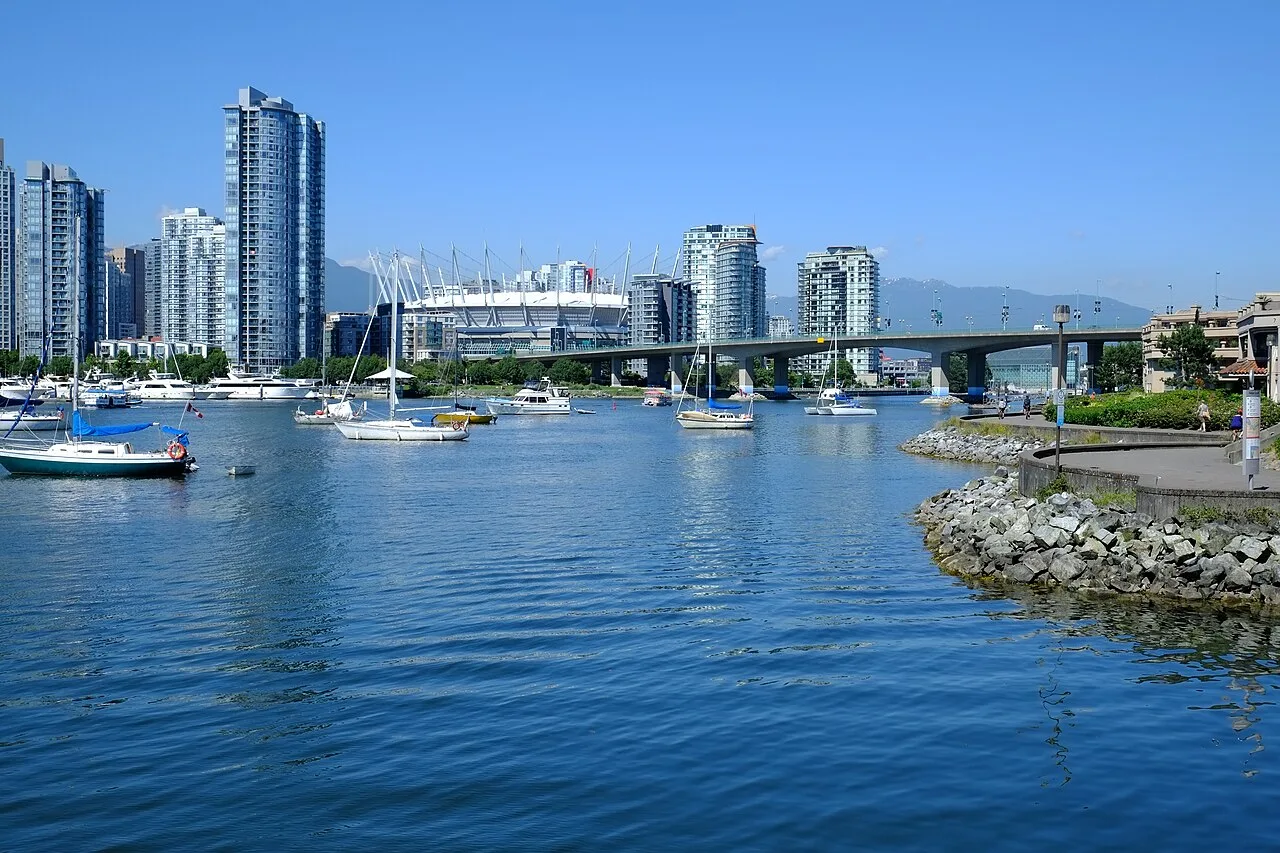
Canada has two host venues. Toronto Stadium, known as BMO Field, opens the Canadian schedule. BC Place in Vancouver then carries two Canada group matches. This creates a useful simulator question: does Canada ride host momentum across two cities, or does the travel between East and West change the shape of the group? In a prediction tool, Canada should not be judged only by ranking or roster. The path itself matters.
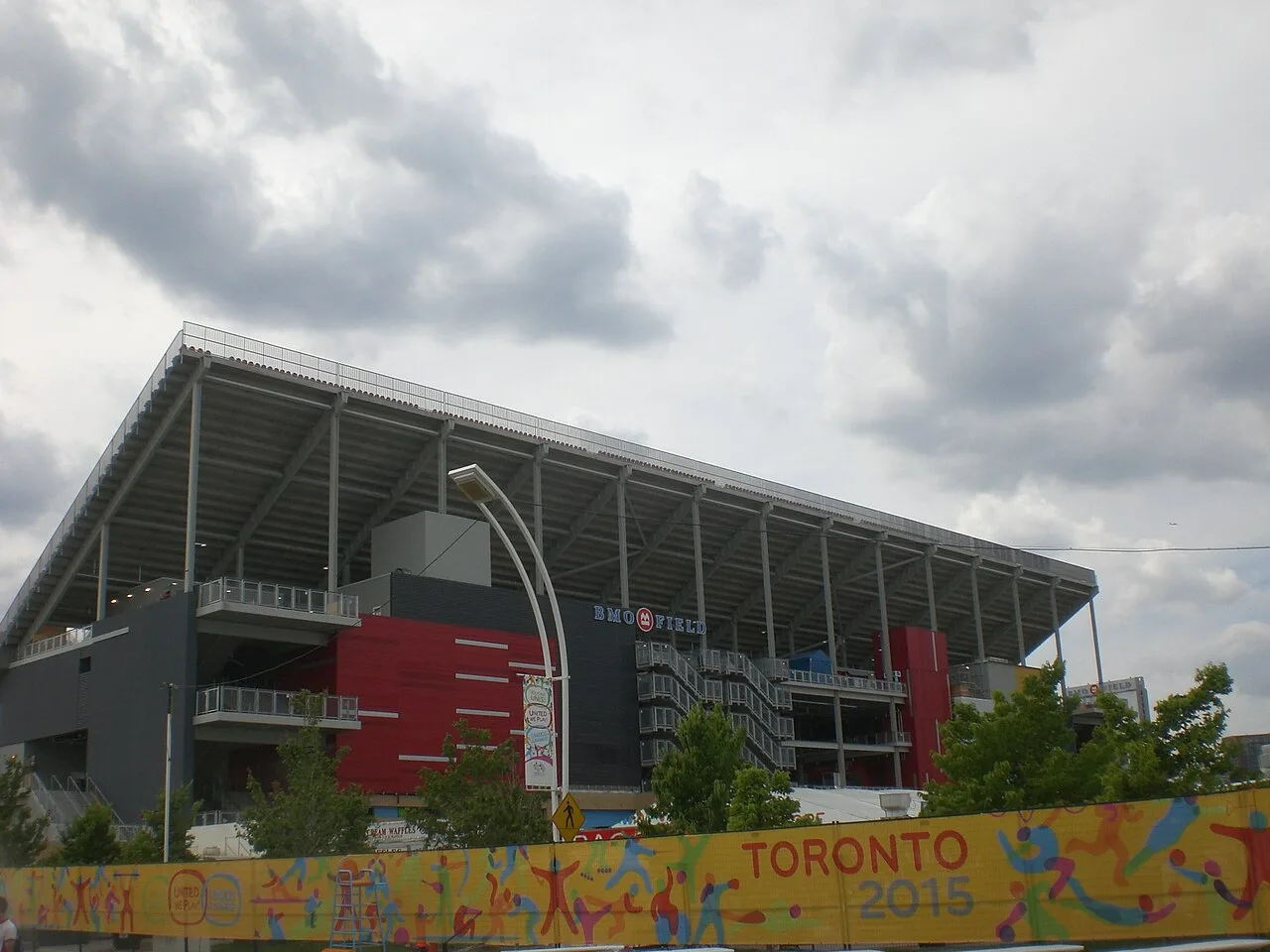

Toronto gives the tournament a compact football environment and a direct connection to Canada's first home match. Vancouver gives the route a West Coast setting, a larger indoor venue context, and a possible Round of 16 stage. For fans making World Cup 2026 predictions, this means Canada scenarios should be tested with exact group order, not only final standings.
United States venues: the main bracket highway
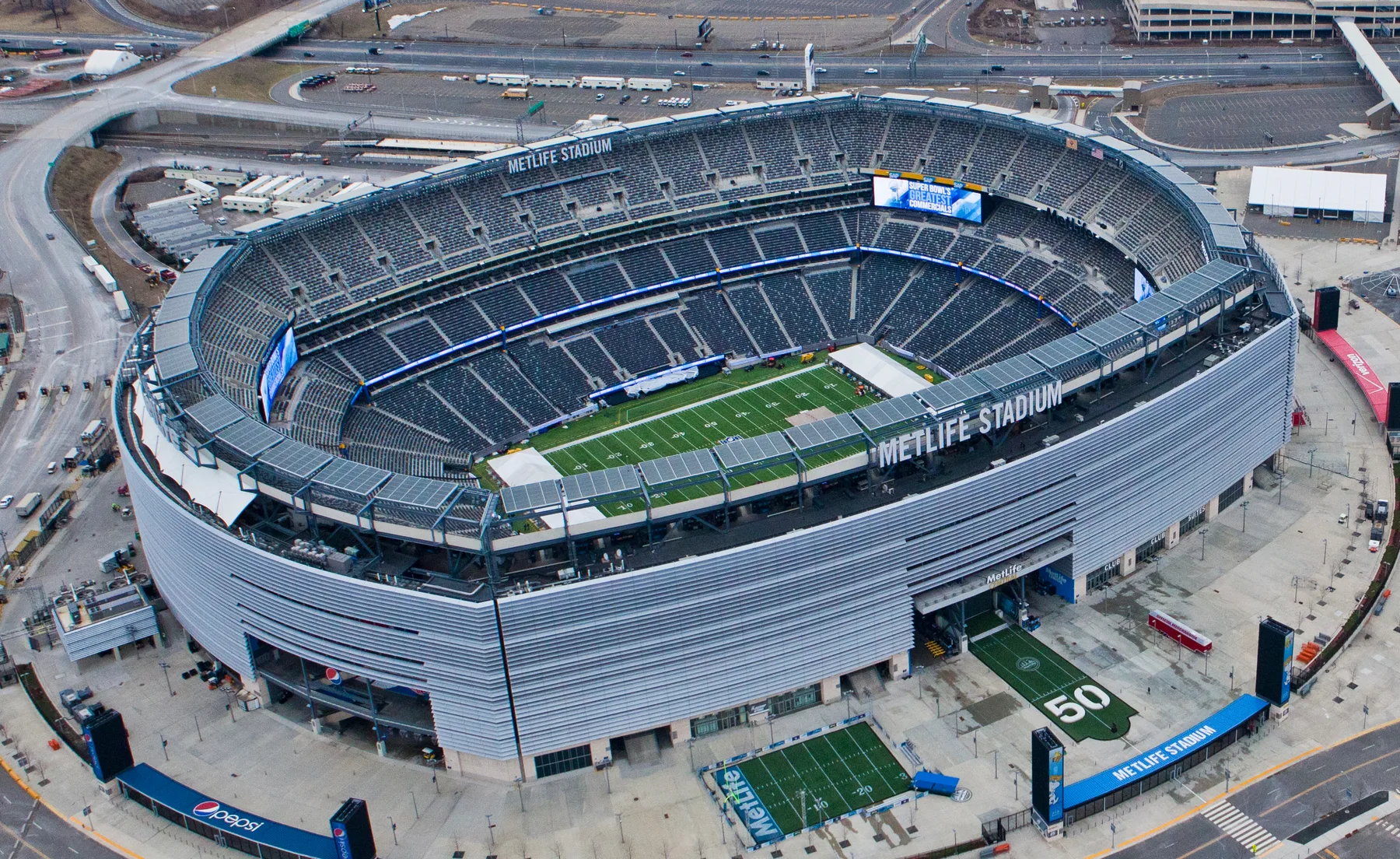
The United States hosts the majority of the tournament with 11 stadiums and 78 matches. That makes the US venue map the main bracket highway. New York New Jersey hosts the final. Dallas and Atlanta host semifinals. Kansas City, Boston, Los Angeles, and Miami carry major late-stage roles. Seattle, San Francisco Bay Area, Houston, Philadelphia, and other venues shape how teams move from group play into elimination rounds.

For a World Cup 2026 simulator, the United States venues matter because they create the widest variety of conditions. Los Angeles and Seattle can shape the United States group story. Dallas and Houston bring central and southern climate considerations. Miami is a clear late-stage humidity test. New York New Jersey is the end of the road. If a bracket prediction ignores the distance between these stops, it becomes less realistic.
All 16 host stadiums, official capacities, and simulator role
Estadio Banorte / Estadio Azteca
Mexico City Stadium
Mexico City, Mexico. Official tournament capacity: 72,766. Opening match, Mexico group match, Round of 16 context.
Estadio Akron
Guadalajara Stadium
Zapopan, Mexico. Official tournament capacity: 44,330. Mexico group match and group-stage route.
BBVA Stadium
Monterrey Stadium
Guadalupe, Mexico. Official tournament capacity: 50,113. Group stage and Round of 32 context.
MetLife Stadium
New York New Jersey Stadium
East Rutherford, United States. Official tournament capacity: 78,576. Final venue on July 19.
SoFi Stadium
Los Angeles Stadium
Inglewood, United States. Official tournament capacity: 69,650. United States group matches and quarter-final route.
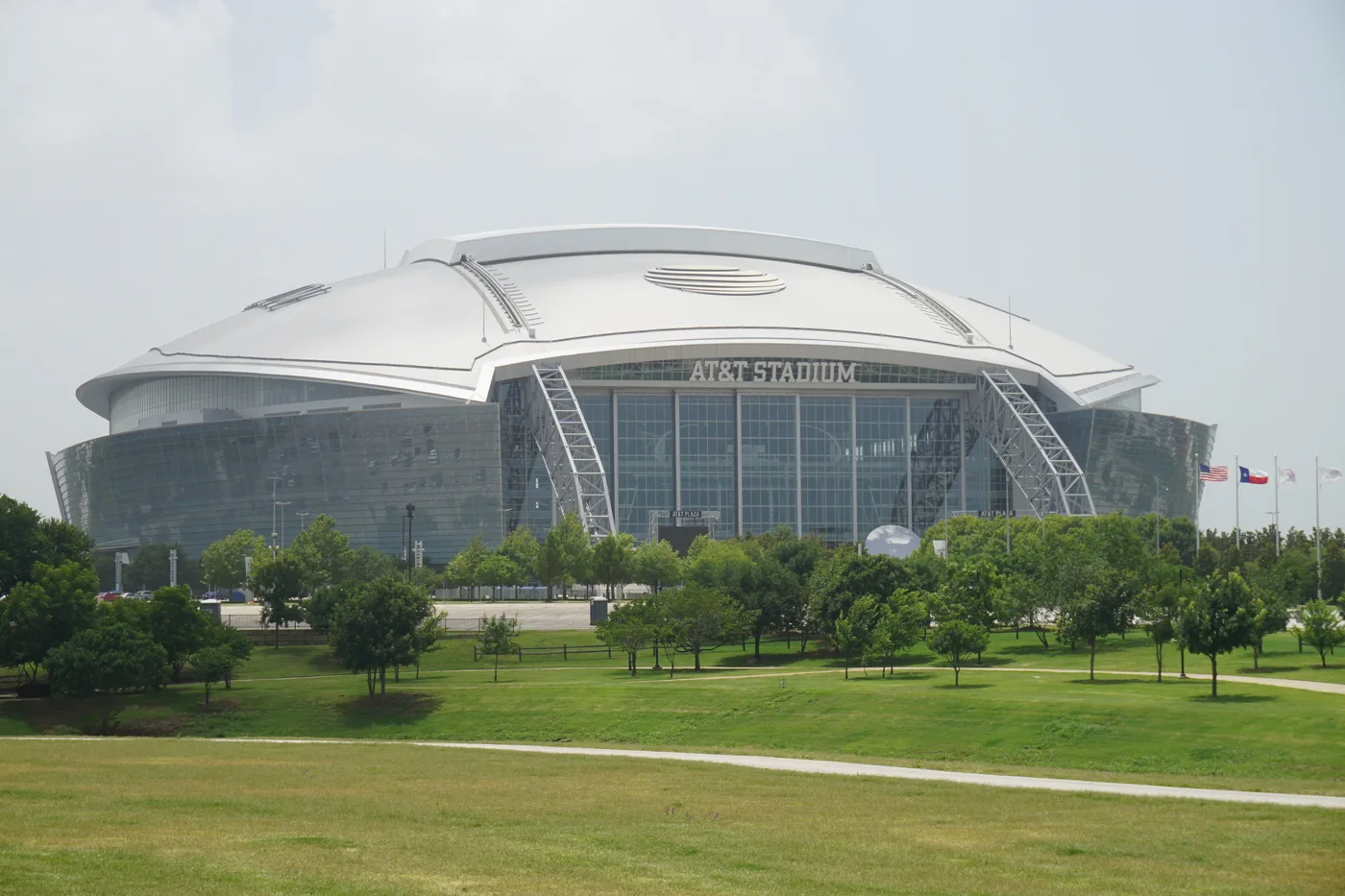
AT&T Stadium
Dallas Stadium
Arlington, United States. Official tournament capacity: 70,122. Semi-final venue on July 14.
Mercedes-Benz Stadium
Atlanta Stadium
Atlanta, United States. Official tournament capacity: 67,382. Semi-final venue on July 15.
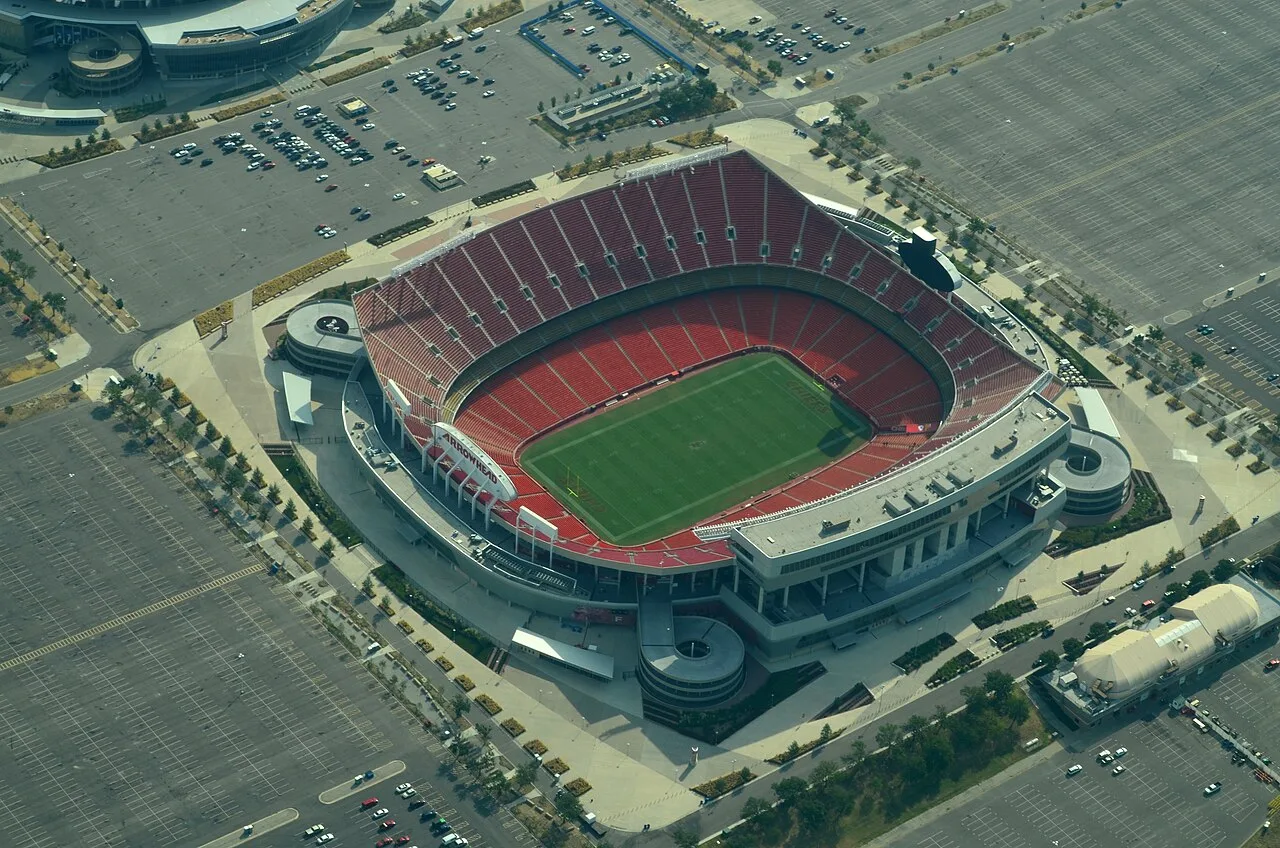
Arrowhead Stadium
Kansas City Stadium
Kansas City, United States. Official tournament capacity: 67,513. Quarter-final venue.
Gillette Stadium
Boston Stadium
Foxborough, United States. Official tournament capacity: 63,815. Quarter-final venue.
Levi's Stadium
San Francisco Bay Area Stadium
Santa Clara, United States. Official tournament capacity: 69,391. West cluster group and knockout route.
Lumen Field
Seattle Stadium
Seattle, United States. Official tournament capacity: 65,123. United States group match and Round of 16 route.
NRG Stadium
Houston Stadium
Houston, United States. Official tournament capacity: 68,311. Central cluster Round of 16 route.
Lincoln Financial Field
Philadelphia Stadium
Philadelphia, United States. Official tournament capacity: 65,827. East cluster Round of 16 route.
Hard Rock Stadium
Miami Stadium
Miami Gardens, United States. Official tournament capacity: 64,091. Third-place match on July 18.
BMO Field
Toronto Stadium
Toronto, Canada. Official tournament capacity: 44,315. Canada group match and Round of 32 route.
BC Place
BC Place Vancouver
Vancouver, Canada. Official tournament capacity: 48,821. Canada group matches and Round of 16 route.
How to use this guide with FUCHIBOL
Start with the group stage simulator and place teams in the order you believe they will finish. Then check the best third-place teams and open the Round of 32 bracket. When the knockout path appears, read it with the venue map in mind. A team that looks stronger on paper may still face a difficult route if it keeps changing climate, travels farther than the opponent, or reaches a pressure venue after a short rest window.
The best use of FUCHIBOL is not to treat predictions as one fixed answer. Run several versions: a favorite-heavy World Cup 2026 bracket, a dark horse route, a host-country route, a group-stage upset route, and a fatigue-aware route. The stadium guide gives those simulations a real tournament geography, which is exactly what many generic bracket tools miss.
.jpg)
World Cup 2026 stadium FAQ
How many host cities and stadiums are there?
There are 16 stadiums across Mexico, Canada, and the United States. FIFA ticketing information lists 13 matches in Mexico, 13 in Canada, and 78 in the United States.
Which stadium hosts the final?
The final is scheduled for New York New Jersey Stadium, commonly known as MetLife Stadium, on July 19, 2026.
Which stadium hosts the opening match?
The opening match is scheduled for Mexico City Stadium, commonly known as Estadio Banorte or Estadio Azteca, on June 11, 2026.
Does venue context affect bracket predictions?
Yes. Travel, recovery, crowd pressure, altitude, humidity, and match order can all affect how a group-stage prediction or knockout bracket scenario should be read.